
Discovery Resorts – Lake Argyle made famous for its incredible infinity pool, overlooking Australia’s second-largest man-made freshwater lake. Just a short drive south of Lake Kununurra, accommodation options range from camping sites and powered caravan sites to cabins and villas with breathtaking views!
Come and share a lifetime of experience exploring the remote bays of the stunning Lake Argyle Islands through our amazing boat tours, wildlife cruises and family-friendly activities. Or, for the ultimate in Lake Argyle cruising, hop aboard our custom-built tour vessel, the ‘Kimberley Durack’.
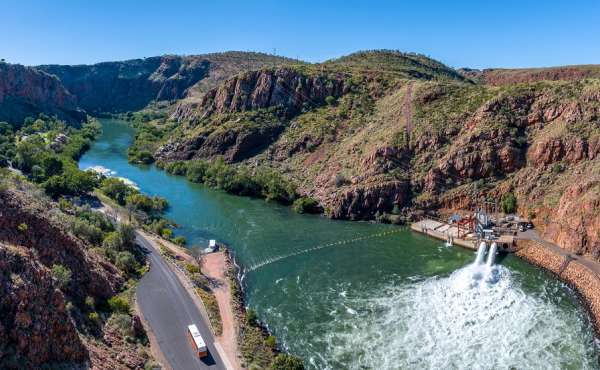
The immense freshwater lake formed by the damming of the mighty Ord River has created an amazing marine environment, discover it’s beauty and learn more about Discovery Resorts - Lake Argyle.
-
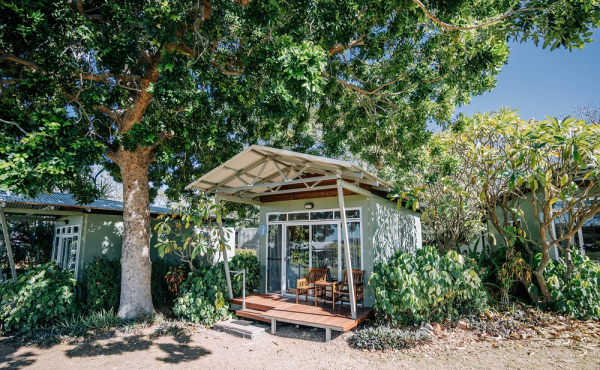
Accommodation
Made famous by breathtaking views from its infinity pool, Discovery Resorts – Lake Argyle has a variety of accommodation options to suit all types of travellers.
-
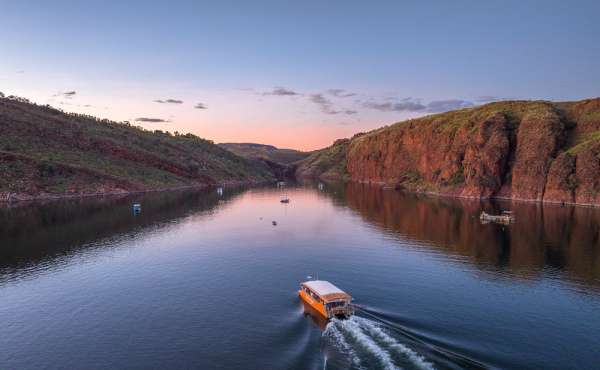
Lake Argyle Boat Cruises
Book your Lake Argyle boat cruise aboard the Kimberley Durack. Choose from our lunch or sunset cruises departing from Discovery Resorts - Lake Argyle. Open to all, with return transfers available from Kununurra.
-
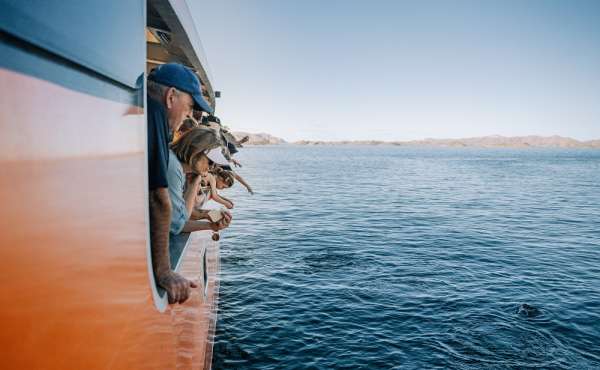
Activities and attractions
Lake Argyle Tours and Boat Cruises have been operating on Lake Argyle since the Dam was first filled in 1973.
-
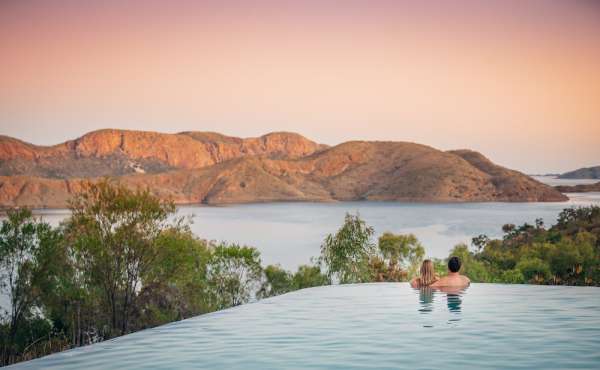
About the property
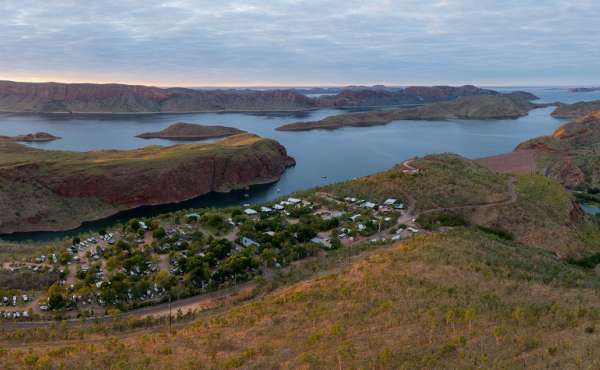
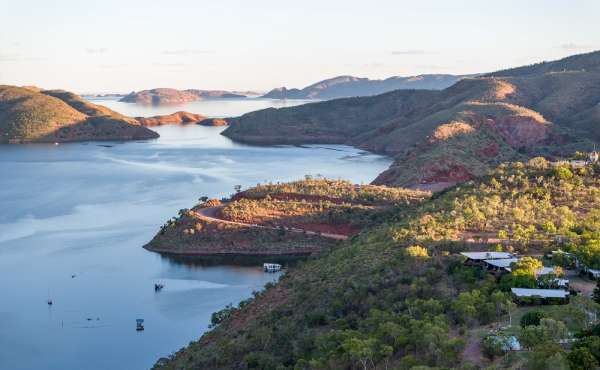
Discovery Resorts – Lake Argyle is situated 35 km off the Victoria Highway at the end of a sealed road offering stunning Kimberley views. Shaded by large hills to the west in the afternoon, the park is set in a peaceful location surrounded by breathtaking scenery.
-
Region Facts
The immense freshwater lake formed by the damning of the mighty Ord River has created an amazing marine environment which now offers a wide range of adventures and activities beginning at the Lake Argyle village.
-

Restaurant
The Lake Argyle Restaurant and Cafe is open seven days a week for breakfast, lunch and dinner.
-
FAQ
Here you will find answers to questions about Discovery Resorts – Lake Argyle. If you still have queries after reading this, please feel free to give us a call or email us.
-
Contact us
If you have any questions or specific booking requirements, please drop us a line or call us.